

Quick answer
Yes, the Italian Riviera is worth visiting if you prioritize coastal scenery, historic villages, and regional cuisine over conventional attractions. Entry to public areas, beaches, and most coastal towns is free, with the best arrival window between 08:00 and 10:00 to avoid mid-day heat and cruise ship crowds. The region rewards slower exploration rather than rapid sightseeing, making it ideal for travelers with flexible schedules.
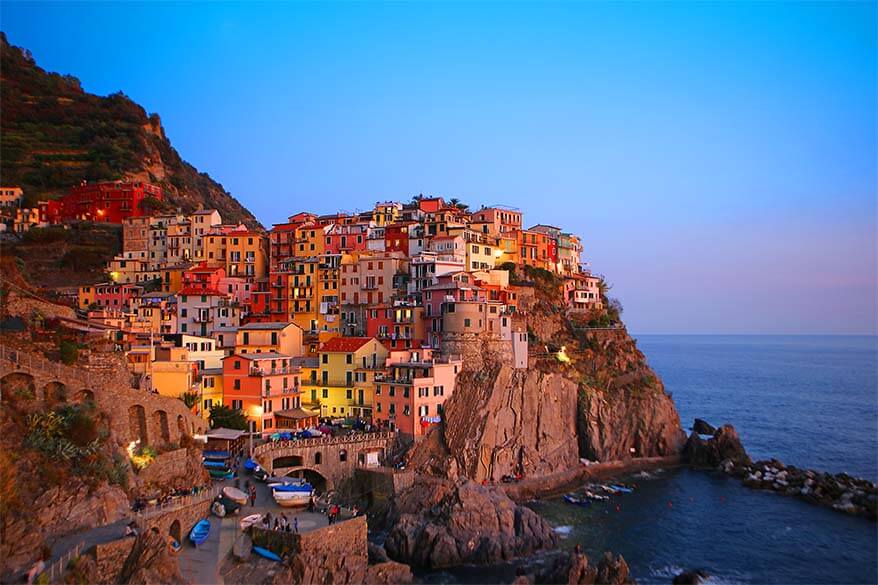
The Ligurian coast operates without a single entrance gate or ticketed perimeter. Unlike landmark attractions with controlled access, the Italian Riviera functions as a continuous region of municipalities, each with its own character and infrastructure. Portofino draws yacht traffic and luxury boutiques, while Camogli remains a working fishing harbor with painted facades and pebble beaches. Cinque Terre imposes seasonal visitor caps on its hiking trails, but the five villages themselves remain open to pedestrian traffic year-round. The question of whether visiting the Italian Riviera is worthwhile depends on what you compare it against. Travelers arriving from Nice or Genoa find the transition immediate—Ventimiglia and Bordighera appear within 30 minutes by regional train, their palm-lined waterfronts and medieval old towns compressed between the Ligurian Alps and the sea. The coast's topography creates steep gradients, which historically limited development and preserved hilltop villages like Dolceacqua and Apricale. Those same gradients require stamina: the Sentiero Azzurro between Monterosso and Riomaggiore climbs over 500 meters across its 12-kilometer length, and most coastal towns replace flat promenades with staircases. Liguria rewards material specificity. The region's basil cultivar produces pesto with Protected Designation of Origin status, and its anchovy fisheries supply colatura di alici aged in chestnut barrels. Focaccia di Recco, protected by EU geographical indication, layers two sheets of dough around stracchino cheese and bakes at 300°C in wood-fired ovens. These are not tourist approximations—they anchor the daily economy of coastal bakeries and trattorie. The Italian Riviera justifies a visit when your priorities align with what the region actually provides: coastal trails, regional food traditions, and villages built on pre-industrial foundations. It does not offer monumental architecture, curated exhibitions, or the logistical simplicity of a self-contained attraction. Travelers with limited mobility will find accessibility inconsistent—many historic centers ban vehicles and rely on stepped alleys. Those seeking concentrated sightseeing may find the pace slower than expected. But for travelers willing to navigate regional trains, walk uneven terrain, and eat where locals eat, Liguria delivers a coherent and undiluted version of itself.
“The Ligurian coast operates without a single entrance gate, functioning instead as a continuous region of municipalities, each with its own character and infrastructure.”
When Is the Italian Riviera Worth Visiting for Optimal Conditions?
The optimal time to visit the Italian Riviera is during the shoulder months of April, May, September, and October. During these periods, the region experiences mild temperatures and lower visitor volumes, allowing for a more manageable exploration of the coastal towns.
Late Spring (April–May)
Moderate; wildflowers in bloomMild, 15°C to 22°C; pleasant for walking. This window offers comfortable temperatures before the intense summer humidity and peak tourism surge.
Early Autumn (September–October)
Moderate; thinning crowdsWarm, 18°C to 25°C; sea remains temperate. The water is often still warm enough for swimming, and the local harvest season begins.
Weekday mornings
Low; fewer day-trippers—
To ensure a manageable experience, adhere to the best arrival window of 08:00–10:00 to avoid mid-day heat and large cruise ship excursion crowds.
Verdict: The best time to experience the region is between Tuesday and Thursday during the shoulder months of April or October, ensuring arrival between 08:00–10:00.
Is the Italian Riviera Worth Visiting from a Budget Perspective?
The Italian Riviera does not charge a general entrance fee as it is a public region consisting of coastal towns, beaches, and scenic paths. Costs for access to these public areas remain zero regardless of the time or day.
A typical adult pays 0 EUR for general access, with costs only arising from optional private services or transport.
How Long Does It Take to Decide If the Italian Riviera Is Worth Visiting?
A single day gives you enough time to experience two or three coastal towns and form a clear impression of the region's character. This sample structure works for visitors arriving from Nice by mid-morning.
Explore Ventimiglia old town
Wander the medieval quarter, visit the Friday market if timing aligns, and walk along the seafront. Budget 90 minutes before moving west.
Lunch in Bordighera
Settle into a trattoria in the old town for focaccia, trofie al pesto, and local white wine. The pace here is slower than the larger resort towns.
Afternoon in Sanremo
Walk the palm-lined promenade, explore the old town's steep alleys, and stop at a café near the port. This is the Riviera's largest town and gives a sense of scale.
Sunset stop in Ospedaletti or Arma di Taggia
Choose a smaller village for a quieter close to the day. A short walk along the beach or a drink at a waterfront bar is usually enough.
Return travel window
Head back east toward the French border. Evening light along the coast road is softer and traffic tends to ease after 18:00.
Is the Italian Riviera Worth Visiting Given the Travel Requirements?
The Italian Riviera is located in the Liguria Region, Italy, and is accessible from Nice via the coastal rail line or the A8 and A10 motorways.
TER regional train Nice-Ville to Ventimiglia then Trenitalia to Genoa
A8 motorway from Nice toward Italy connecting to the A10 Autostrada
What Makes the Italian Riviera Worth Visiting?
The Italian Riviera is defined by its vertical coastal topography, where colorful architecture meets the Ligurian Sea. This region offers a distinct landscape of terraced cliffs, historic harbors, and protected marine environments.
Cinque Terre
Five interconnected fishing villages characterized by steep terraces and cliffside paths.
Walk the Sentiero Azzurro early to avoid peak pedestrian traffic.
Portofino
A historic fishing village featuring a natural harbor lined with pastel-colored villas.
Visit the Castello Brown terraces for views of the harbor below.
San Fruttuoso
A secluded cove accessible only by boat or hiking trail, home to a medieval abbey.
Swim near the submerged Christ of the Abyss statue.
Camogli
A traditional maritime town known for its tall, multi-colored buildings facing the sea.
Observe the evening light hitting the facades from the beach.
Is the Italian Riviera Worth Visiting If You Plan Ahead?
Navigating the Liguria region effectively requires local strategies to bypass common tourist bottlenecks and maximize your time in coastal villages.
Carry local currency for smaller shops
Many family-run trattorias and artisan stalls in smaller towns do not accept card payments for transactions under ten euros. Keep small denominations available to avoid delays at local markets.
Utilize the hiking trails for views
The coastal paths between villages often provide clearer vistas than the crowded main squares. Ensure you wear footwear with proper grip, as these paths feature uneven stone and steep gradients.
Seek out secondary train stations
Larger hubs often experience significant congestion during peak hours. Boarding at slightly smaller, adjacent stations can provide a more reliable seating experience during regional transfers.
Prioritize regional focaccia variations
Local bakeries differ by town; look for shops baking in wood-fired ovens rather than electric ones. The best focaccia is often sold before noon, as it is a staple for local morning meals.
Use public water fountains
Most coastal towns provide public potable water taps marked with signs. Bring a reusable bottle to refill, as purchasing single-use plastic bottles is discouraged and more expensive near the waterfront.
Check availability
Common Questions: Is the Italian Riviera Worth Visiting?
Everything you need to know about is the italian riviera worth visiting