

Quick answer
The best places to stay on the Italian Riviera depend on your itinerary: Cinque Terre villages (Monterosso, Vernazza, Manarola) for hikers and coastal trail access; Santa Margherita Ligure for a central base with frequent trains and ferries to Portofino and Rapallo; Camogli for quieter harbor-side stays near San Fruttuoso Abbey; and Genoa for budget travelers needing a transit hub. Avoid staying directly in Portofino unless your budget allows—Santa Margherita is 20 minutes away by boat and offers better value.
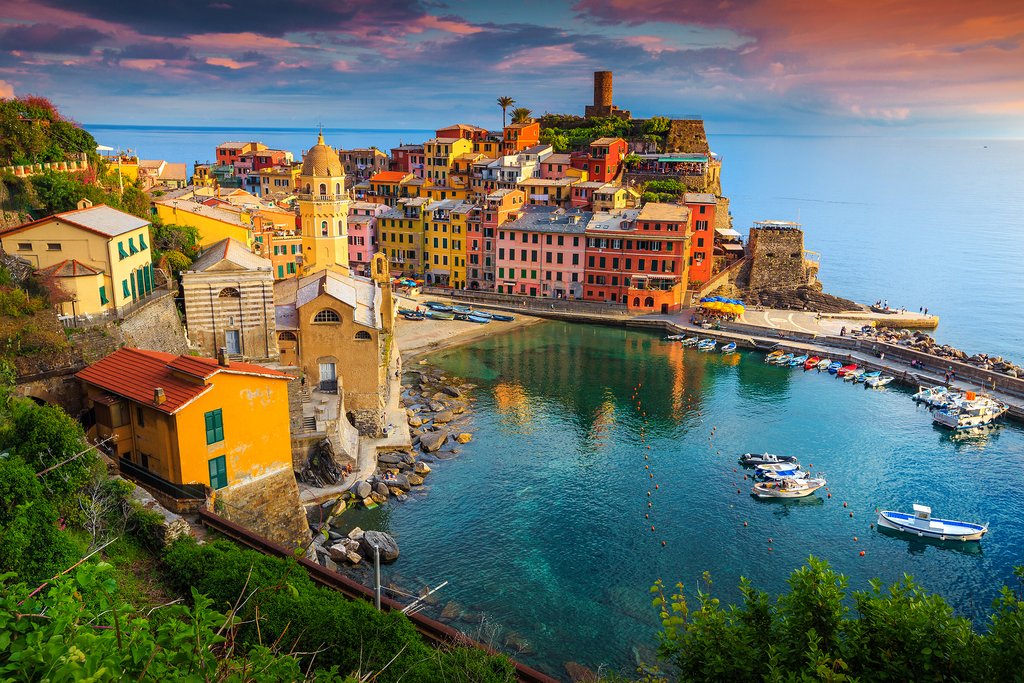
Liguria's coastal geography divides accommodation into three practical zones. The eastern Riviera di Levante runs from Genoa to La Spezia and includes the Cinque Terre, Portofino, and the Gulf of Tigullio. The western Riviera di Ponente stretches toward the French border, anchored by Sanremo and Alassio. Genoa itself sits at the center, functioning as the region's rail and port nexus. Most visitors researching where to stay Italian Riviera focus on the Levante, where villages cluster within 90 minutes of each other by train or ferry. Cinque Terre's five villages—Monterosso al Mare, Vernazza, Corniglia, Manarola, and Riomaggiore—offer the most iconic scenery but also the tightest lodging supply. Monterosso has the most hotel beds and the only proper beach in the five villages. Vernazza and Manarola are smaller, with rooms booked months ahead for summer and autumn. Staying inside Cinque Terre means waking to harbor light and cliffside trails, but it also means navigating narrow stairways with luggage and paying premium rates. The regional train connects all five villages in under 30 minutes. Santa Margherita Ligure balances access and ease. Trains run every 20 minutes to Cinque Terre, and ferries depart hourly for Portofino, San Fruttuoso, and Camogli. The waterfront promenade stretches two kilometers, lined with gelaterias, seafood restaurants, and family-run pensioni. Supermarkets, pharmacies, and luggage storage sit within walking distance of the station. Portofino itself is a 20-minute ferry ride or a four-kilometer coastal walk—staying there costs three times as much for half the amenities. Genoa serves travelers on tighter budgets or those arriving by cruise ship. The historic center holds Europe's largest medieval quarter, with via Garibaldi's Renaissance palaces and the Porto Antico waterfront. Trains to Cinque Terre take 90 minutes; trains to Santa Margherita take 40. Hotels near Piazza Principe or Brignole stations simplify logistics. The city feels urban compared to the villages, but room rates drop by half outside peak weeks, and late-night dining options multiply. For multi-day itineraries combining the Italian Riviera with Milan or Turin, Genoa's central position becomes an asset rather than a compromise.
“Staying inside Cinque Terre means waking to harbor light and cliffside trails, but it also means navigating narrow stairways with luggage and paying premium rates.”
Riviera di Levante vs. Riviera di Ponente: Where to Stay Italian Riviera
Choosing a base on the Italian Riviera requires deciding between the rugged, cliff-backed landscapes of the east and the flatter, beach-oriented towns of the west. This comparison highlights the structural differences to assist your selection.
| Riviera di Levante East of Genoa | Riviera di Ponente West of Genoa | |
|---|---|---|
| Terrain and Geography | High cliffs and deep water inlets | Wide sandy beaches and gentle slopes |
| Primary Landscape | Vertical architecture and protected coves | Extended promenades and palm-lined boulevards |
| Atmosphere | Intimate and densely concentrated | Spacious and family-oriented |
| Travel Connectivity | Direct rail access between coastal villages | Mainline corridors towards French border |
| Recommended Base | Towns near Gulf of Poets or Tigullio | Towns near Sanremo or Alassio |
Verdict: Choose Riviera di Levante for dramatic coastal scenery and village-hopping, or Riviera di Ponente for expansive beaches and proximity to the French border.
The Best Time to Consider Where to Stay Italian Riviera
The optimal window for visiting the Italian Riviera is during the shoulder seasons of May and September, which provide a balance of moderate temperatures and manageable visitor numbers. Arriving early is essential to navigate the coastal geography effectively.
Shoulder Season (May/September)
Moderate; manageable foot trafficWarm, 20°C to 25°C; ideal for walking. These months avoid the intense heat and saturation of the peak summer season.
Peak Season (June–August)
Very high; village streets congestedHot, 25°C to 30°C+; high humidity. Expect significant pressure on local infrastructure and accommodation availability.
Off-Season (November–March)
Low; quiet, some services reducedCool, 8°C to 15°C; frequent rain. Many coastal businesses close for seasonal maintenance during these cooler months.
Weekday Mornings
Low; minimal congestion—
The best arrival window is 08:00–10:00. This timing helps avoid peak tourist crowds and midday heat in popular coastal villages.
Verdict: The optimal strategy is to visit during May or September, specifically arriving between 08:00–10:00 on weekdays.
Transport Logistics for Where to Stay Italian Riviera
The Italian Riviera is located in the Liguria region, Italy, and is best accessed via the coastal rail line or the A10 motorway. Choosing a base near major rail hubs simplifies travel between towns.
Regional (Regionale) line to Genova Piazza Principe or La Spezia Centrale
A10 motorway (Autostrada dei Fiori) along the coast
Navigazione Golfo dei Poeti or similar coastal ferry services
Regional Distinctions: Where to Stay Italian Riviera by Interest
The Italian Riviera spans diverse coastal environments, each offering distinct advantages for visitors. Choosing a base depends on whether you prioritize proximity to walking trails, harbor atmospheres, or accessible shorelines.
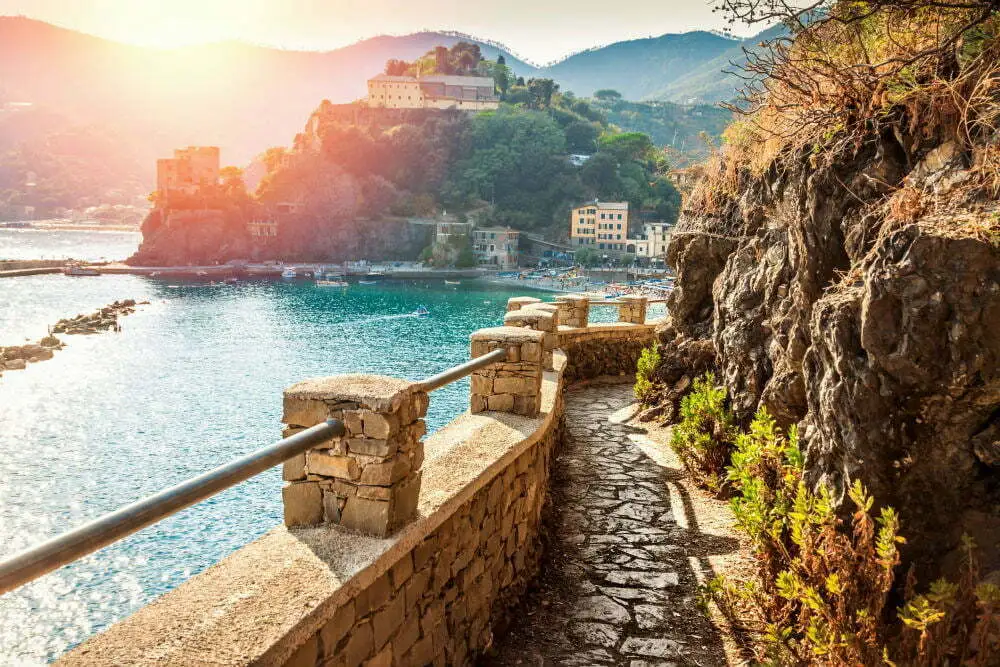
Cinque Terre
A cluster of five cliffside villages known for steep vineyards and extensive coastal hiking paths.
Stay in Monterosso for the most accessible beach options.
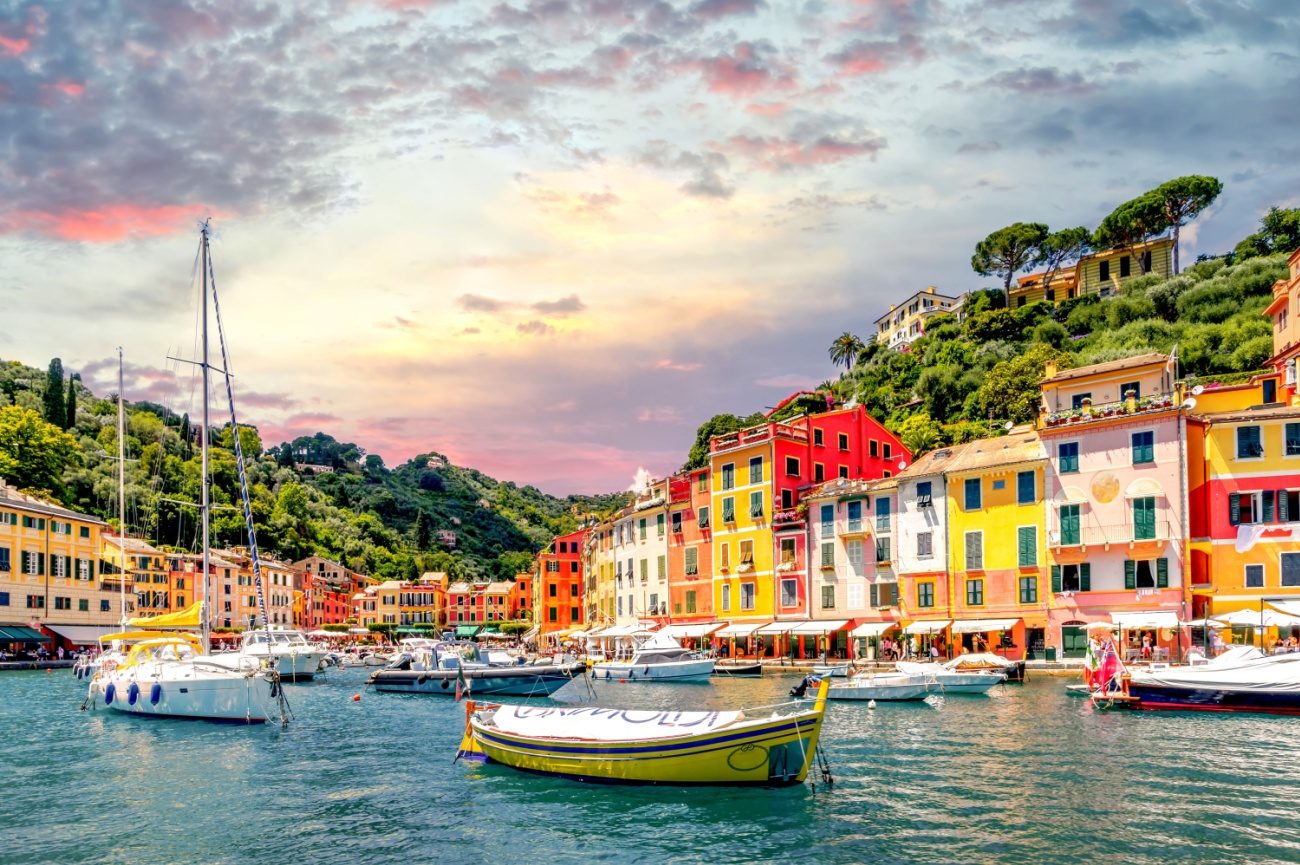
Portofino
A historic fishing village that functions as an upscale port with high-end boutiques and waterfront dining.
Visit the Piazzetta early to observe harbor activities before crowds arrive.
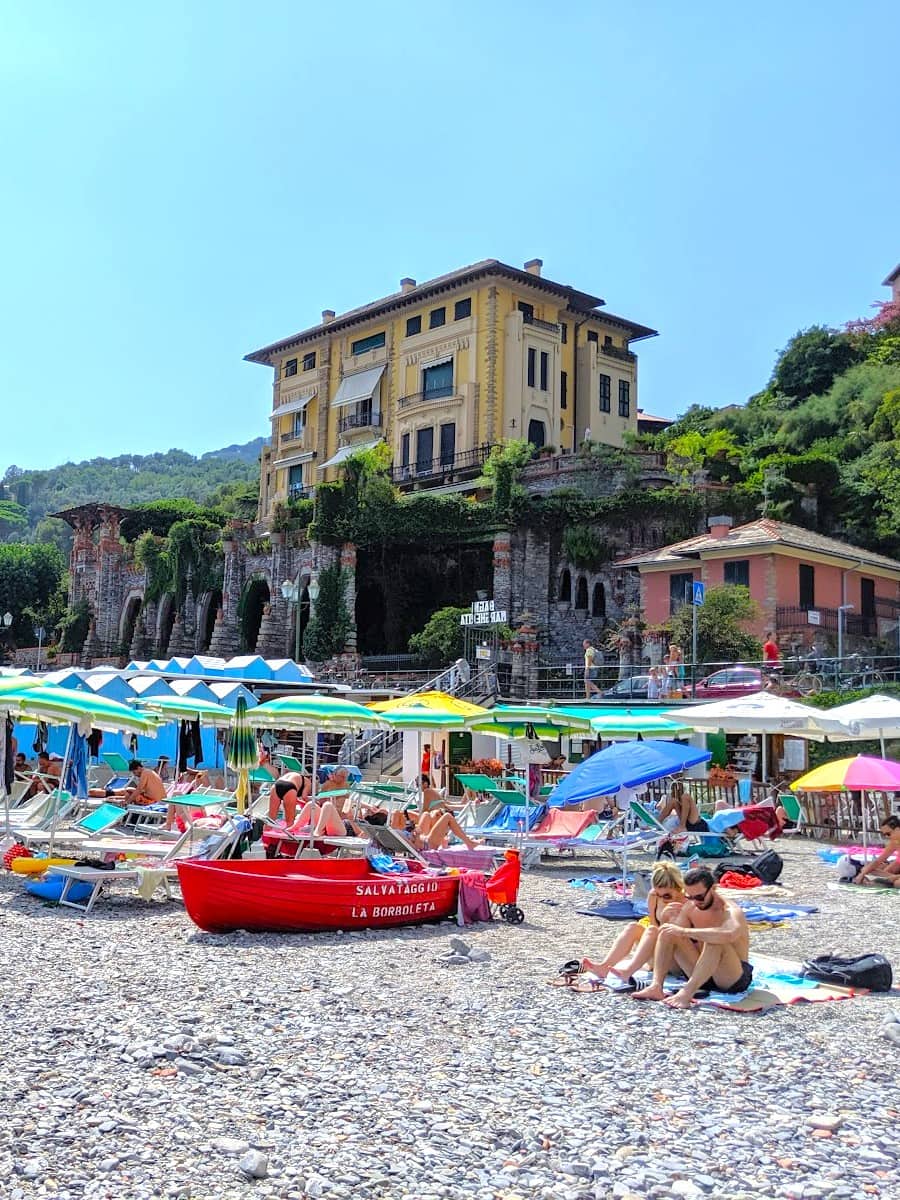
Santa Margherita Ligure
A versatile coastal town offering a blend of traditional maritime character and convenient ferry connections to nearby ports.
Walk the palm-lined promenade toward the castle for expansive sea views.
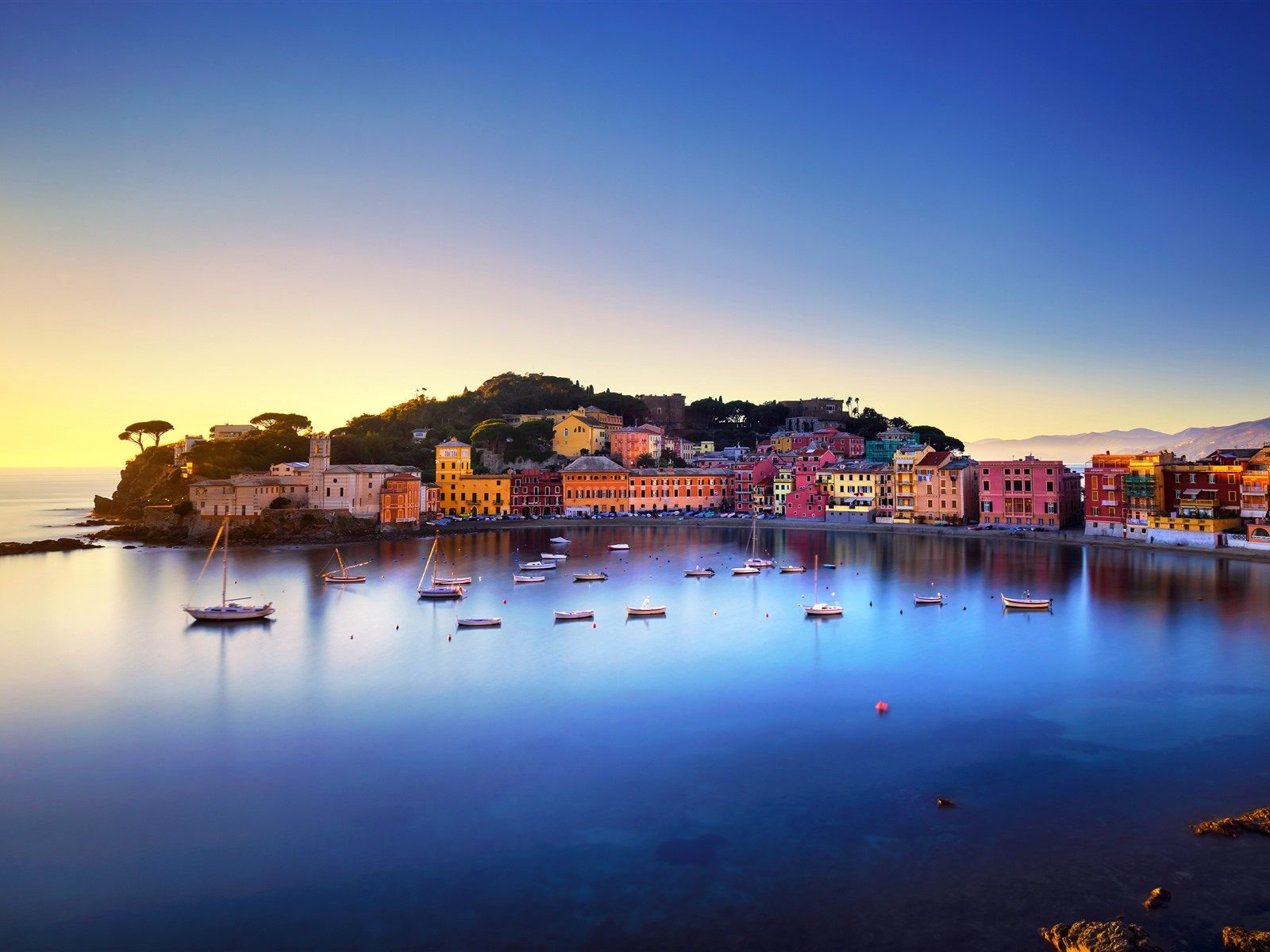
Sestri Levante
A town uniquely situated on a narrow isthmus between two distinct bays, the Bay of Silence and the Bay of Fables.
Explore the Bay of Silence at sunrise for calm water conditions.
Practical Tips for Where to Stay Italian Riviera
Strategic planning regarding logistics and local infrastructure enhances your stay across the Ligurian coast.
Vertical town access
When selecting accommodation in hillside villages, verify if your property provides luggage assistance or requires navigating extensive staircases. Many coastal dwellings are only reachable via pedestrian-only paths and steep inclines.
Parking reality
If you plan to rent a car, confirm private parking availability in advance, as street parking in Liguria is restricted to residents and often limited. Public parking lots fill rapidly, often requiring a shuttle to reach village centers.
Train proximity
Prioritize lodging within walking distance of local train stations to maintain mobility between towns without navigating coastal roads. Regional rail is the primary method for moving between villages efficiently.
ZTL awareness
Ensure your accommodation is located outside of ZTL (Zona Traffico Limitato) areas if you are driving, or confirm the property registers your license plate with local authorities to avoid fines. Driving into these historic centers is strictly prohibited for non-residents.
Village terrain
Coastal villages often feature significant elevation changes; choose properties closer to the waterfront if walking uphill poses a challenge. Confirm the proximity to the main piazzas to minimize daily transit requirements.
Check availability
Frequently Asked Questions About Where to Stay Italian Riviera
Everything you need to know about where to stay italian riviera